Why is sleep the new recovery frontier in pro sports? Because it may be the only intervention that improves nearly everything else for free. Research consistently links insufficient sleep with worse reaction time, elevated injury risk and impaired accuracy in athletes, while extension studies — where athletes simply sleep longer — have shown measurable improvements in sprint times and shooting performance. The effect sizes are competitive with legally allowed supplements and recovery technology that costs thousands of dollars, which is why professional teams now employ sleep specialists, redesign travel schedules and treat a dark hotel room as performance infrastructure rather than a luxury.
A quick but necessary note before going further: this article publishes information, not medical advice. Sleep science findings come from studies of specific populations and may not apply to any individual reader. Anyone with a possible sleep disorder should talk to a qualified healthcare professional rather than a sports blog.
What does sleep actually do for recovery?
Sleep is when the body runs its repair shift. Most growth-hormone release is tied to deep sleep in the first half of the night, driving muscle repair and tissue adaptation; REM sleep later in the night handles memory consolidation, which is how new motor skills — a revised jump shot, a new route tree — get wired in. Cut sleep short and you lose the back-loaded stages disproportionately, meaning athletes who sleep five hours are not just tired, they are selectively deleting the phases that consolidate skill. General health guidance, including from the Mayo Clinic, treats seven to nine hours as the adult baseline, and athletes under heavy training load often sit at or above the top of that range.
What did the athlete sleep studies actually find?
The landmark findings circulate widely and deserve careful retelling rather than fake precision. Among the most cited: research on sleep extension in collegiate athletes, notably work associated with Cheri Mah at Stanford, reported faster sprint times and better free-throw and three-point accuracy after several weeks of extended sleep; separate research found chronic sleep restriction correlated with significantly elevated injury risk in adolescent athletes; and laboratory work has shown reaction time degrading under sleep deprivation to a degree comparable with alcohol impairment — a comparison drawn in peer-reviewed fatigue research for decades. The pattern is consistent even where exact numbers vary across studies: less sleep, worse performance, more injuries; more sleep, modest but real gains.
How do pro teams actually engineer sleep?
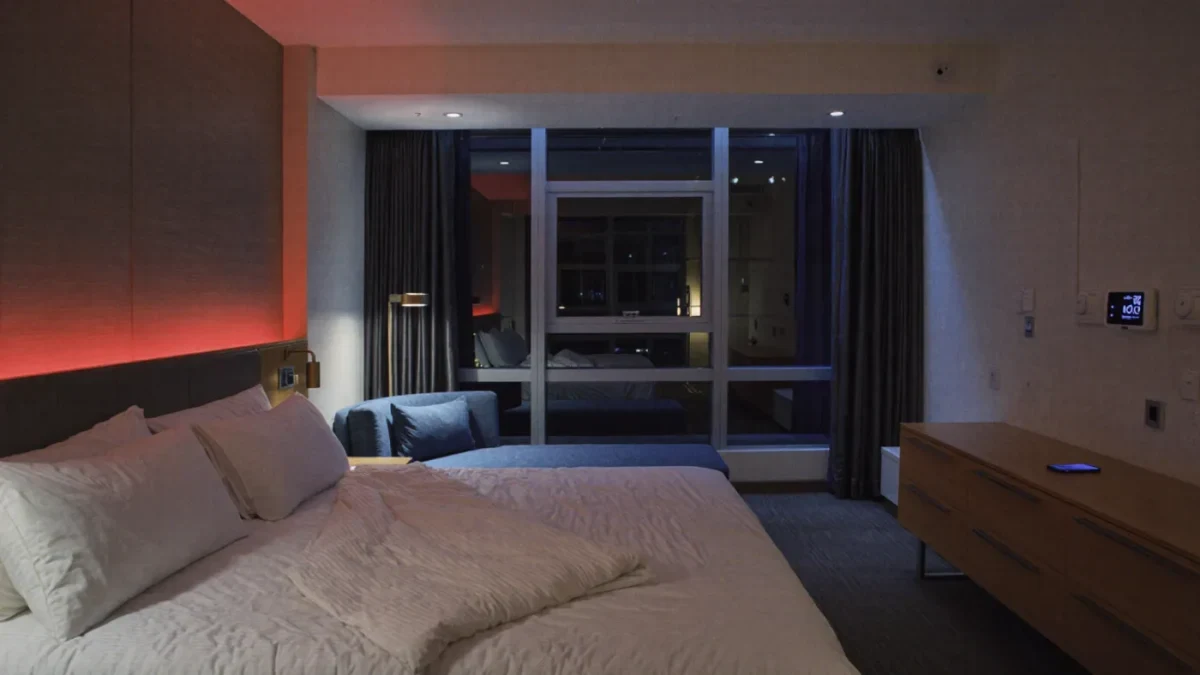
With an obsessiveness that would seem absurd in any other industry. NBA and NFL teams have consulted sleep specialists to restructure travel: shifting departure times so players land closer to bedtime in destination time zones, scheduling west-east sequences deliberately, and front-loading morning shootarounds later where rules allow. Club facilities installed nap rooms. Some organizations standardized hotel protocols — cooler room temperatures, blackout conditions, quiet floors. Individual athletes went further: custom mattresses shipped to hotels, blue-light discipline after evening games, caffeine cutoffs timed to sleep pressure rather than habit. The unglamorous truth staff members repeat internally is that the biggest wins came not from gadgets but from scheduling: the cheapest sleep intervention in sports is simply not asking players to be alert at biologically hostile hours.
Do sleep trackers help or hurt?
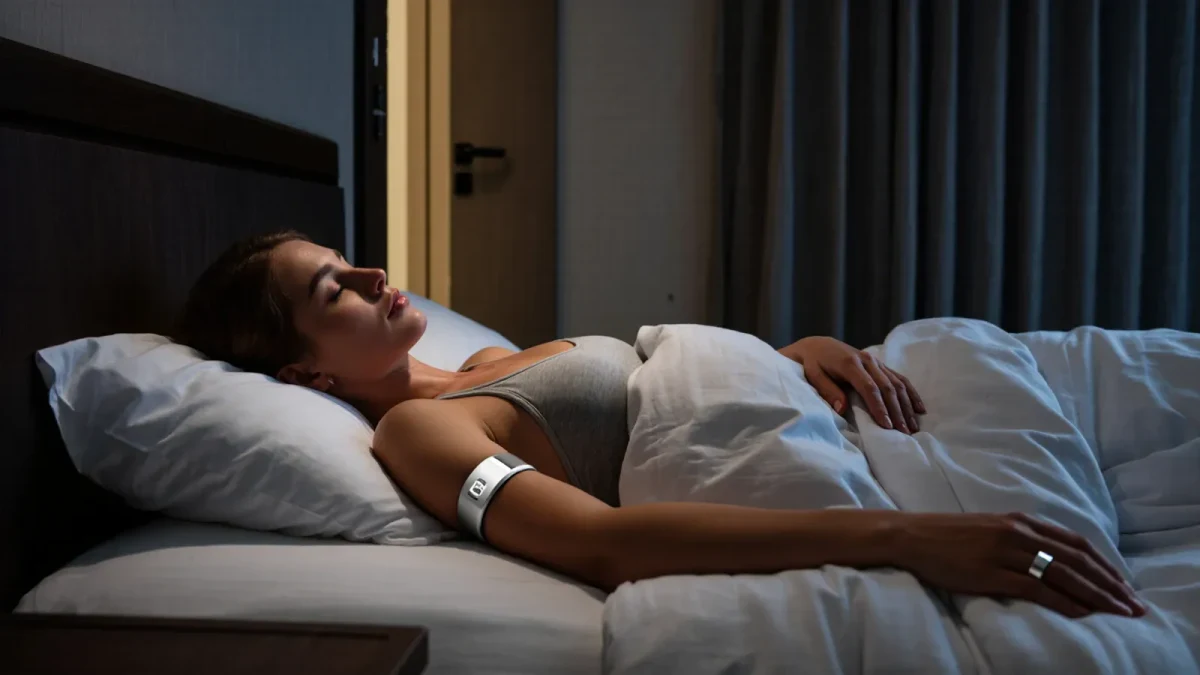
Both, and the honest answer splits by user. Consumer wearables estimate sleep stages with imperfect accuracy against laboratory polysomnography, which is fine for tracking trends and terrible for night-by-night verdicts. The known failure mode has a name in the literature — orthosomnia — where people become so anxious about tracker scores that the anxiety degrades the sleep it is meant to improve. Performance staff generally use team-level data cautiously and encourage athletes to anchor on behavior (consistent bedtime, dark cool room, morning light) rather than scores. For amateurs, a tracker that prompts a real bedtime is a win; a tracker that sparks a 2 a.m. stats check is self-defeating.
The other reason sleep got this much attention is travel math. Pro schedules cross time zones, and circadian misalignment does not care how good the roster is — a body that believes it is mid-afternoon at tipoff performs like one. Once franchises accepted that, sleep stopped being a personal-responsibility topic and became a competitive one, argued in scheduling meetings the way lineup construction is. Staffs now talk about sleep opportunity and travel load the way they talk about pitch counts, because a shortage is a shortage whether it surfaces in a tired arm or a tired reaction time. Fatigue is finally managed as a roster risk rather than worn as a badge.
What can a normal person steal from pro sleep protocols?
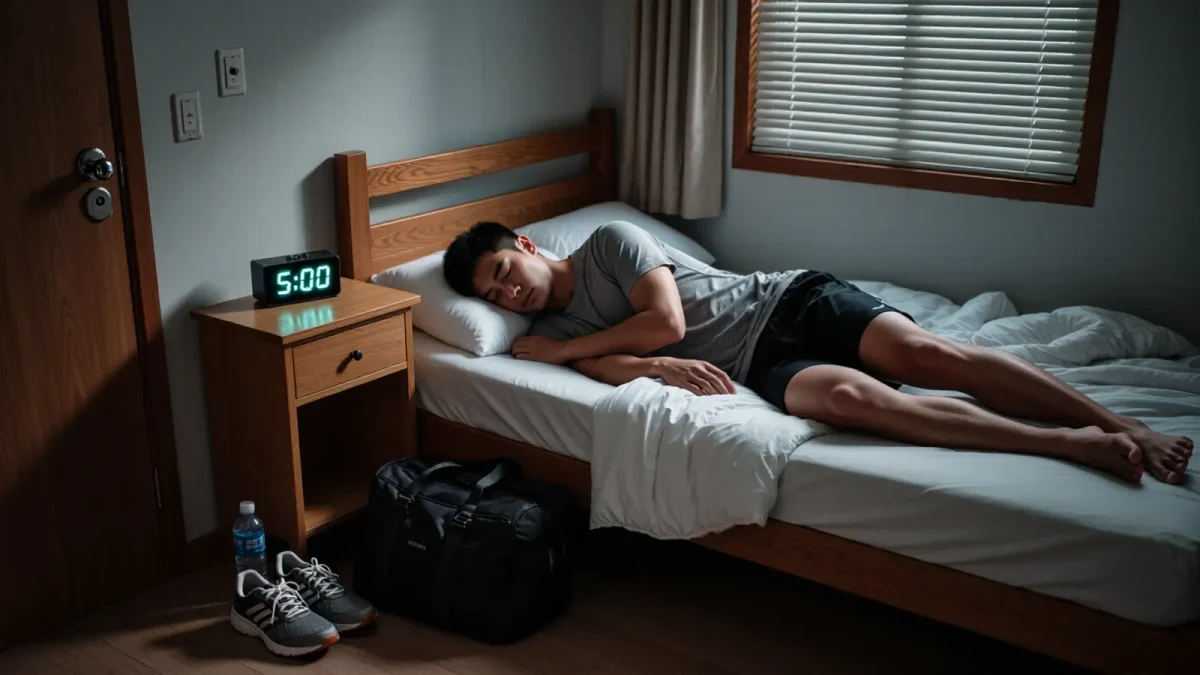
The boring four: consistency, darkness, cool temperature and a caffeine curfew. Keeping a stable wake time anchors the entire circadian system more effectively than any weekend recovery sleep; a dark, cool room shortens sleep latency; morning daylight sharpens the rhythm; and cutting caffeine eight to ten hours before bed removes the most common invisible saboteur, since caffeine's half-life runs several hours. Athletes also normalize napping — 20 to 30 minutes, early afternoon — as a supplement rather than a substitute. None of this requires a budget. That is precisely the point, and the slightly embarrassing conclusion of a decade of sports-science spending: the most powerful legal performance enhancer available to a professional athlete was available to everyone the whole time, and the frontier was simply choosing it.