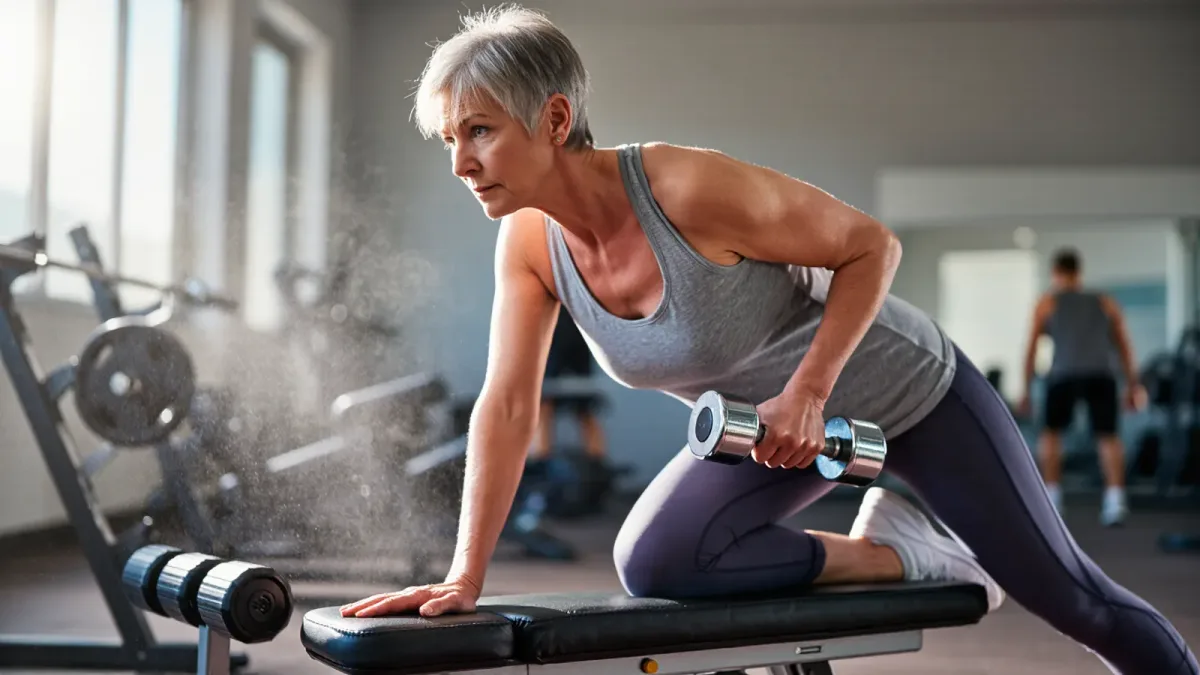
Why are women strength coaches suddenly visible across pro sports? Because a pipeline built quietly over two decades finally started delivering. A generation ago, a woman running an NBA or NFL weight room was essentially unheard of; today women hold head strength-and-conditioning and performance roles across the NBA, NFL, MLB, NHL and major college programs, and several have earned championship rings doing it. The exact numbers stay small — women remain a clear minority of certified strength staff in major men's leagues — but the direction is unmistakable, and the first hires broke a assumption that took years to die: that players would not listen, or that the weight room was a gendered space rather than a professional one.
Who were the doors that opened first?
The history is worth naming without inventing quotes. In the NBA, the San Antonio Spurs made headlines by adding Becky Hammon to their coaching staff in 2014, and the performance side moved in parallel: the Cleveland Cavaliers' Andrea Hayden became the first full-time female assistant strength and conditioning coach in MLB history in 2018, and the NBA's Los Angeles Lakers hired their first female head strength-and-conditioning coach, Melyssa Lagunas, in 2019. Around the same period, women took strength roles with NFL franchises — the Tampa Bay Buccaneers, Washington franchise and others added female performance staff during the late 2010s — and Fawzi Kaid joined the Washington Wizards as an assistant strength coach earlier in the decade. Each hire was reported as a first. The silence since is the good news: performance jobs stopped generating headlines, which means they stopped being strange.
What actually drives the hiring?
Credentials, and the growing impossibility of ignoring them. The profession's certification paths — the National Strength and Conditioning Association's CSCS credential chief among them — are gender-blind gauntlets of exercise science, anatomy and practical internship hours, and the share of women earning those credentials has climbed steadily. Sports-science graduate programs filled with qualified women who then faced a hiring market where the last unjustified filter was habit. What tended to break the habit was results: the first wave of women in pro weight rooms arrived overqualified, because only overqualified candidates got the interviews, and staffs that hired on merit kept promoting. Veteran players, the supposed obstacle, turned out to care about exactly two things: whether the program worked and whether the coach knew the answer to the question they just asked.
Worth saying too: the job itself never cared. A strength coach builds authority in small daily interactions — knowing why a guard's left hip is grabbing, adjusting a travel-day lift on the fly, remembering which veteran needs the volume dialed back and which one needs a push. Players keep an internal ledger of who actually improves them, and that ledger has no column for anything except competence. The hires that stuck understood the ledger was the only vote that counted, and the ones who did not last were filtered by the same standard applied to everyone else. That is the quiet tell that the barrier was always external to the work: once the door opened, the work looked identical.
Is the weight-room culture problem solved?
No, and pretending otherwise would be spin. Women in strength roles have described the accumulated friction of being the only woman on a staff of thirty — the assumptions from people outside the building, the extra scrutiny of early mistakes, the networking rooms they were never invited into. The numbers in the NFL and NBA remain a small fraction of total performance staffs, and head-of-performance jobs for women in men's major leagues can still be counted without much effort. There is also a structural leak earlier in the pipeline: college exercise-science programs graduate plenty of women, but long internship hours at low or no pay filter out people without financial cushion, and that filter is not gender-neutral in its effects. Progress is real; a finished story it is not.
What about the women's game itself?
Here the shift is arguably bigger. The growth of the WNBA, women's professional soccer and women's hockey created demand for performance staffs that serve female athletes with female-specific programming — and women's sports invested in that expertise seriously, from menstrual-cycle-aware load monitoring to return-from-pregnancy training protocols that the men's game never had to invent. The visibility effect compounds: a girl watching a championship parade sees a woman holding the strength staff's ring and registers one more job that obviously exists. Representation in performance departments is not symbolism; it changes who applies, who gets mentored, and whose research questions about female athletes finally get funded.
Why does any of this matter beyond fairness?
Because pro sports is a talent-search industry that spent decades searching half the population for one job category. Every hire argument in this space ultimately reduces to the same market logic leagues apply to everything else: expand the candidate pool, raise average quality. The woman running an NBA weight room in 2026 is not a story about generosity — she is evidence that the talent was always there and the barrier was the only thing missing. The rise will be complete not when the firsts are celebrated but when the list of firsts runs out, and the only sentence left to write is that the best available coach got the job.