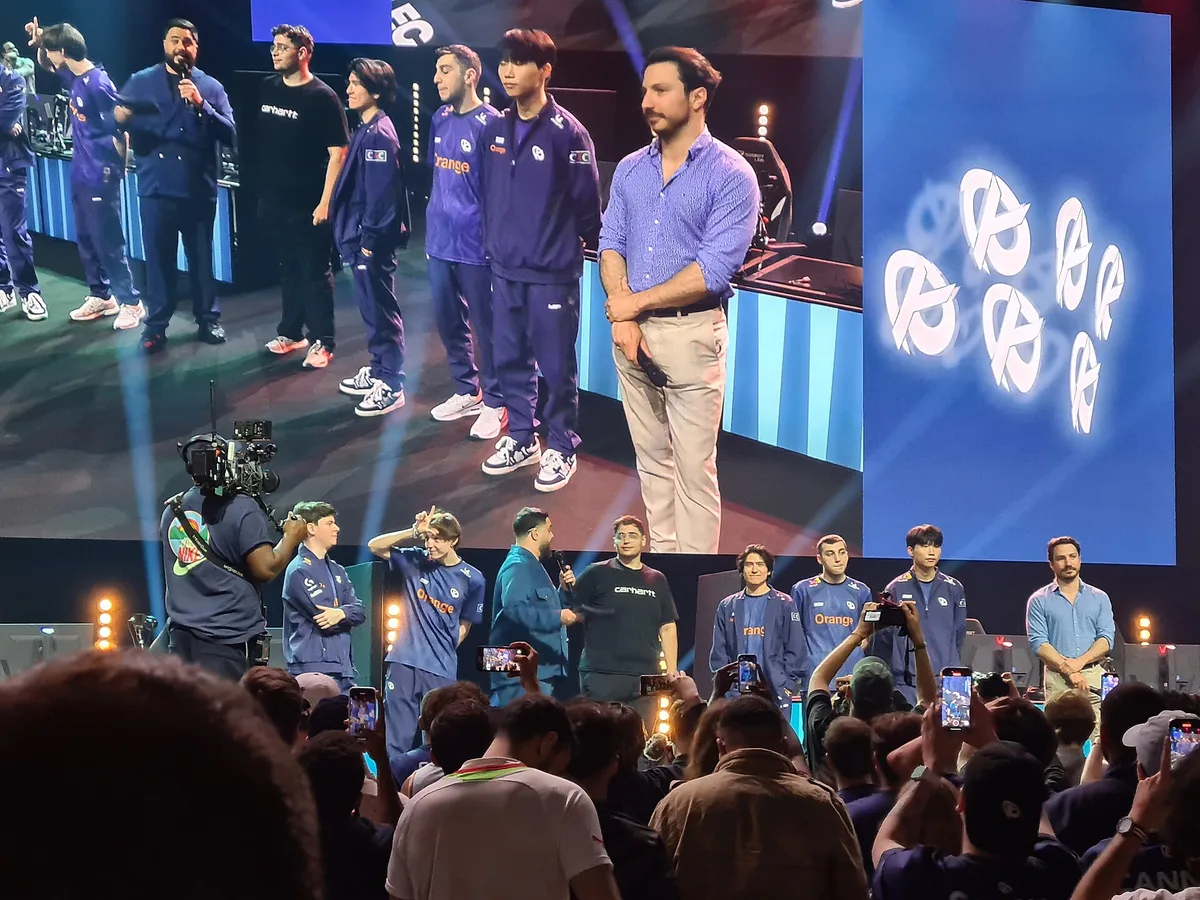
The champion's morning routine is real, and it is almost always boring. Strip away the cinematic wake-up montage and what remains is sleep, food, movement, and repetition — done at hours most fans would find antisocial, in an order the athlete stopped thinking about years ago. The most important qualification is this: no single ritual makes an elite performer, and the parts fans obsess over are rarely the parts that matter.
That gap matters because athlete morning routine content has become its own genre, and the genre flatters the viewer more than it informs them. A routine is legible. It can be copied, filmed, and sold. Consistency across ten years cannot. So the visible hour gets the attention while the invisible decade does the work.
What does an elite athlete's morning actually look like?
Ask the people who work around professional teams and you get a consistent picture, even when the individuals differ. The morning is built backwards from the day's main session. If training is late morning, the early hours go to waking properly, hydrating, eating something the stomach tolerates, and mobilizing whatever hurt yesterday. If the session is at dawn, everything shifts earlier and the routine compresses.
The constants are dull. Athletes protect sleep first, because no breakfast hack offsets a short night. They eat early enough that training doesn't run on an empty tank. They arrive with enough margin that a flat tyre doesn't become a missed warm-up. None of that films well. All of it shows up in the training log.
Individuality is the other constant. Some competitors wake early and love it. Others are functionally nocturnal and build their day around a later window. Coaches who last tend to stop fighting the body they've got and start scheduling around it. The routine serves the athlete, not the aesthetic.
Why do the routines we see look so similar?
Because we mostly see the ones that were made to be seen. A filmed morning routine is a performance with a product attached — a supplement, an app, a book. The athlete who wakes at an unusual hour to meditate in silence for ninety minutes is not giving you a routine; they're giving you a scene. That doesn't make the athlete dishonest. It makes the format selective.
Audiences clearly want the feeling of being behind the curtain. The appetite for staged access has become a whole entertainment category of its own: the Sidemen's reality series Inside, which premiered in 2024 and later moved to Netflix, locks celebrities in a house for a week with a £1 million prize fund that shrinks every time they buy or do anything, a format Wikipedia's entry on the series traces through five series and an American spin-off. The premise only works because viewers believe proximity equals truth. Sport content borrows the same logic, usually with less honesty about the staging.
The similarity also has a mundane explanation: the underlying advice converges. Sleep enough. Eat deliberately. Move before you sit. Once those boxes are ticked, the differences between two champions' mornings are mostly personality, and personality is a terrible thing to copy.
What this means: the parts that actually move performance
Our analysis, reading across what performance staffs and athletes say publicly, is that three components of the morning earn their place. Everything else is garnish.
- Sleep duration and timing. Recovery happens between sessions, not during them. An athlete who manages sleep badly is training on a deficit no routine can repay.
- Pre-session fuel and mobility. Not elaborate. Just enough food, taken early enough, and some attention to the joints and tissue that took yesterday's load.
- Low-variance logistics. The same wake window, the same commute logic, the same arrival buffer. Boring on purpose, because variance is what breaks a training block.
Notice what's absent: ice baths at dawn, exotic supplements, journaling rituals filmed in soft light. Some athletes use those and swear by them. The evidence that they differentiate champions is far thinner than the evidence that sleep and consistency do. If a ritual helps an athlete feel ready, it has value — as a warm-up for the mind. It is not the engine.
Do routines make champions, or do champions just have mornings?
Here's the counter-argument worth taking seriously: the routines of the greats are real, and dismissing them as content fluff goes too far. The competitor who has trained the same way for a decade has automated hundreds of small decisions, and automation is a competitive edge. Every decision not made in the morning is attention saved for the session. For related coverage, see How Do Athletes Get Scouted? The Real Path From Small Town to Big Stage.
But the causality runs the way skeptics suspect. The routine did not produce the champion. The champion's demands produced the routine. A player whose livelihood depends on a 10 a.m. training block will build a morning that supports it, and the discipline that built the career gets misread as the discipline of the breakfast. Confusing the two is how fans end up copying the packaging and missing the product.
The honest version sounds less inspiring. Champions are people who repeated a supportable routine on the days nobody was watching, including the days it stopped feeling meaningful. That's the whole case. The number that survives a second viewing isn't the wake-up time. It's the streak of ordinary mornings, stacked. We covered a connected angle in Second Acts: The Athletes Who Reinvented Themselves Best.
The takeaway for anyone borrowing from the pros
Take the structure, not the specifics. A fixed wake window, fuel before work, movement before intensity, and a buffer against small disruptions will outperform any borrowed ritual, because those elements survive contact with a real schedule. Copy a champion's ice bath and you've copied a preference. Copy their refusal to let a morning vary and you've copied a principle.
And read the routine content with the skepticism you'd apply to any highlight. What gets filmed is the exception dressed as the rule. The rule is quieter, earlier, and repeated until it stops being a story — which is exactly why it works, and exactly why it never trends.