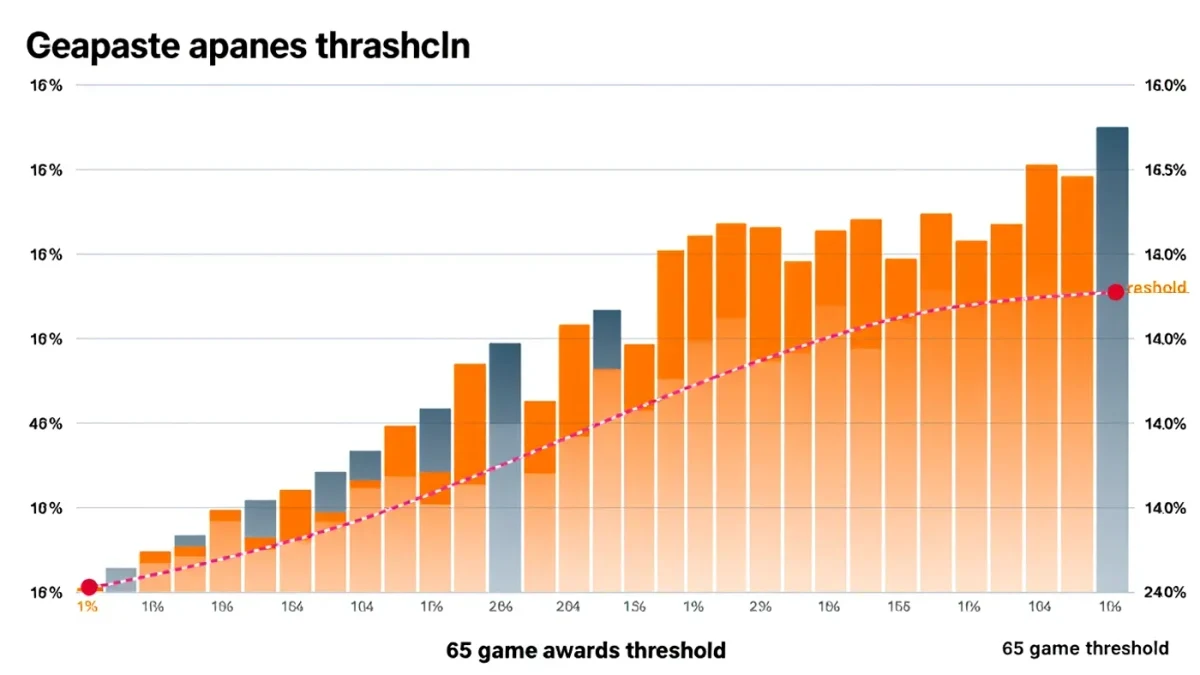
Load management data actually shows something more nuanced than either its advocates or its critics claim: resting a star on a given night measurably improves that team's chance in the next game, but the evidence that systematic rest prevents injuries across a season remains stubbornly thin. What is not thin is the business reality — fans revolted against paying full price for healthy scratches — which is why, starting with the 2023-24 season, the NBA imposed a player participation policy tying end-of-season awards and honors to a 65-game minimum, alongside rules discouraging resting multiple stars in the same game. The league did not ban rest. It priced it.
Where Did Load Management Come From?
From San Antonio, functionally. Gregg Popovich's Spurs sat Tim Duncan, Manu Ginobili and Tony Parker strategically for years, and the approach produced its proof of concept in 2018-19, when Toronto managed Kawhi Leonard — who played 60 regular-season games that season, his most since 2016-17 — and won the championship with a fresher superstar than any opponent faced. That title was load management's apotheosis. Within two seasons, stars league-wide were sitting back-to-backs, sports-science departments had become standard NBA staff, and terms like "workload monitoring" entered the broadcast lexicon. The copycats copied the outcome without always copying the underlying science, which is how a targeted recovery protocol for one player with a real injury history became a league-wide philosophy.
What Does the Game-Level Data Say?
On the narrow question, it is unambiguous: teams playing on the second night of a back-to-back, especially on the road after travel, win at clearly lower rates than the same teams do on rest, a pattern visible across years of NBA results and one reason the league itself has systematically reduced back-to-backs in schedule design. Rest removes one of the most predictable performance discounts in the sport. That finding is solid, replicable, and — crucially — about a single game's performance, not about a body's resilience over months. It justifies a coach protecting a player tonight. It does not, by itself, justify a season-long program, and that is precisely the leap the industry made.
What About the Injury-Prevention Claim?
Here the evidence gets murky, and honest practitioners say so. Injury risk in basketball is driven by a tangle of factors — prior injury history, acute spikes in workload, travel, sleep, strength, age, plain luck — and no large, well-controlled study has cleanly demonstrated that scheduled regular-season rest reduces season-ending injury rates for NBA players. Sports-medicine researchers have repeatedly cautioned that the popular narrative outran the literature, and systematic reviews of workload-injury relationships in team sports generally find small, context-dependent effects rather than a simple minutes-in, injuries-out formula. That does not mean rest is useless; it means the confident version — sit your star in February to save his June — was always more folklore than finding. The most defensible claim is the modest one: fatigue degrades performance and probably raises some risk, so managing fatigue is reasonable, while promising injury prevention is a sales pitch.
Why Did the NBA Crack Down in 2023?
Because the customers noticed. Marquee healthy scratches — stars in street clothes for nationally televised games — became a running controversy, with the league office fielding complaints from broadcast partners and ticket-buyers long before the 2023 policy landed. The new rules required teams to manage star absences in good faith, restricted resting multiple stars together, and attached real teeth: the 65-game threshold for awards eligibility (with a carve-out for genuinely injured players and end-of-season benchmarks for honors like All-NBA). Stars responded by suiting up more, and the discourse shifted from whether teams may rest stars to how the league balances player health against a product sold on those players' presence. It was, in the end, a labor dispute disguised as a medical debate.
The longevity counterpoint complicates the crackdown, though. LeBron James and Chris Paul playing at an All-Star level deep into their late thirties became the era's favorite exhibit for careful workload practices — extended playoff runs, summer downtime treated as seriously as training, minutes managed across a career rather than a week. Whether that longevity stems from rest science, seven-figure annual body maintenance, or exceptional genetics is unknowable for any individual, which is exactly the problem: the success stories prove the ceiling exists, not the recipe. Teams keep investing because the upside of a franchise player aging well is worth far more than the cost of a sports-science department, even if the attribution stays fuzzy.
What Should Teams Actually Do With the Data?
Use it at the margins, not as doctrine. The defensible playbook is unglamorous: reduce schedule-discount losses by monitoring accumulation, individualize protocols to injury history — the Leonard case was always about Leonard — invest in sleep, travel and strength work, and accept that randomness still dominates who gets hurt. Teams have largely converged there, quietly dropping the ideological framing while keeping the sports-science staffs. Fans, for their part, got the one reform they actually needed: schedules with fewer back-to-backs and a league pushing its best players toward 65-plus appearances. The data never said rest was worthless. It said rest was a small tool that got marketed as a revolution — and the game is healthier now that everyone, including the league office, treats it that way.